
OPEC+ Likely to Keep Oil Production Targets Unchanged Through Q1 2027
OPEC+ is likely to maintain its current oil production targets through the first quarter of 2027, according to two sources cited by Reuters ahead of the group’s November 29 ministerial meeting. Although no final decision has been made, ongoing supply disruptions, disagreements over production capacity and uncertainty surrounding the global oil market are making a major adjustment less likely in the near term.
The potential decision could have important implications for crude oil prices, global energy supply and downstream industries, including the international bitumen market.
Why Is OPEC+ Considering Keeping Production Targets Unchanged?
The main reason behind the expected decision is uncertainty in the global oil market.
According to Reuters, the ongoing conflict involving Iran has disrupted oil exports from several Middle Eastern producers. Damage to energy infrastructure and uncertainty over the duration of regional tensions have made it difficult for OPEC+ members to establish reliable production plans for the beginning of 2027.
Maintaining existing production targets would give member countries more time to assess market conditions before making significant changes to their output policies.
Another important factor is the disagreement among some members over their production capacity assessments.
Production Capacity Disputes Complicate OPEC+ Decisions
OPEC+ is facing disagreements over the results of its first independent review of members’ maximum sustainable production capacity.
Iraq has expressed dissatisfaction with a preliminary assessment that placed its production capacity at approximately 4.9 million barrels per day. Kazakhstan has also sought a higher capacity estimate.
These assessments are particularly important because they could influence the production quotas assigned to individual members in 2027.
The disagreements make it more complicated for the group to establish new production targets without creating further tensions among its members.
What Does This Mean for the Global Oil Market in 2027?
The outlook for global oil supply remains uncertain.
On one hand, geopolitical tensions and disruptions to Middle Eastern exports could restrict available supply and increase upward pressure on crude oil prices.
On the other hand, forecasts of a potential global oil surplus in 2027 could limit price increases.
Reuters reported that Rystad Energy expects an average global oil surplus of approximately 5 million barrels per day next year, even assuming only a partial recovery in Gulf supplies.
This combination of supply risks and surplus expectations could keep the oil market volatile throughout the coming months.
For buyers, traders and energy-intensive industries, monitoring OPEC+ decisions will therefore remain essential when planning procurement and evaluating future price movements.
How Could OPEC+ Production Policy Affect the Bitumen Market?
Changes in crude oil production policies can influence the wider petroleum supply chain, including the production and pricing of bitumen.
Bitumen is a petroleum-based material used extensively in road construction, asphalt manufacturing, roofing and waterproofing applications. Its market is influenced by several factors, including crude oil prices, refinery operating rates, vacuum bottom availability, regional demand and transportation costs.
If OPEC+ maintains its current production targets, the resulting supply outlook could influence refinery feedstock costs and market expectations.
However, bitumen prices do not necessarily move in direct correlation with crude oil prices. Refinery economics, seasonal construction demand and regional export availability also play significant roles.
For international bitumen buyers, understanding these market developments can help improve purchasing decisions, negotiate supply contracts and manage exposure to price fluctuations.
What Should International Bitumen Buyers Watch Next?
The November 29 OPEC+ meeting will be an important event for the international petroleum market.
Buyers should monitor three key developments:
- OPEC+ production policy: Whether members maintain current targets through March 2027.
- Middle Eastern supply conditions: Whether regional disruptions continue to affect crude oil exports and shipping routes.
- Refinery operations: Whether changes in refinery production affect the availability of bitumen and other petroleum products.
For importers, distributors and road construction companies, staying informed about these developments can support better procurement planning and more effective supply chain management.
Frequently Asked Questions (FAQs)
1. Will OPEC+ maintain its current oil production targets in Q1 2027?
According to Reuters, OPEC+ is likely to keep its existing production targets unchanged through at least the first quarter of 2027. However, the final decision is subject to the November 29 meeting.
2. Why is OPEC+ considering maintaining current production quotas?
Supply disruptions in the Middle East, uncertainty surrounding regional conflicts and disagreements over production capacity assessments are among the main reasons behind the expected decision.
3. How could OPEC+ production decisions affect crude oil prices?
Maintaining production targets could limit additional supply increases. However, expectations of a global oil surplus in 2027 may offset some upward price pressure.
4. Does crude oil price movement directly affect bitumen prices?
Not necessarily. Although crude oil is an important factor, bitumen prices also depend on refinery operations, feedstock availability, transportation costs, regional demand and export conditions.
5. Where can international buyers purchase bitumen from a reliable supplier?
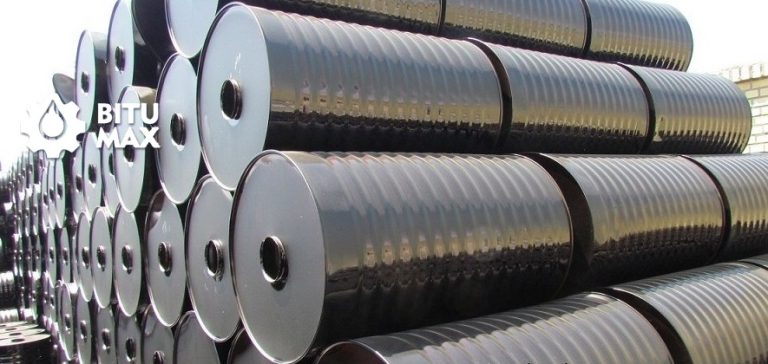
International buyers looking for a dependable bitumen supplier can purchase directly from BITUMAX. We offer various bitumen grades, flexible packaging options, and international shipping solutions to meet different project requirements. Our team is ready to assist buyers with product specifications, pricing, and delivery arrangements, ensuring a reliable and professional purchasing experience.