
Middle East Oil Flows Increase by 19% in Q3 2026: Key Developments in Regional Energy Trade
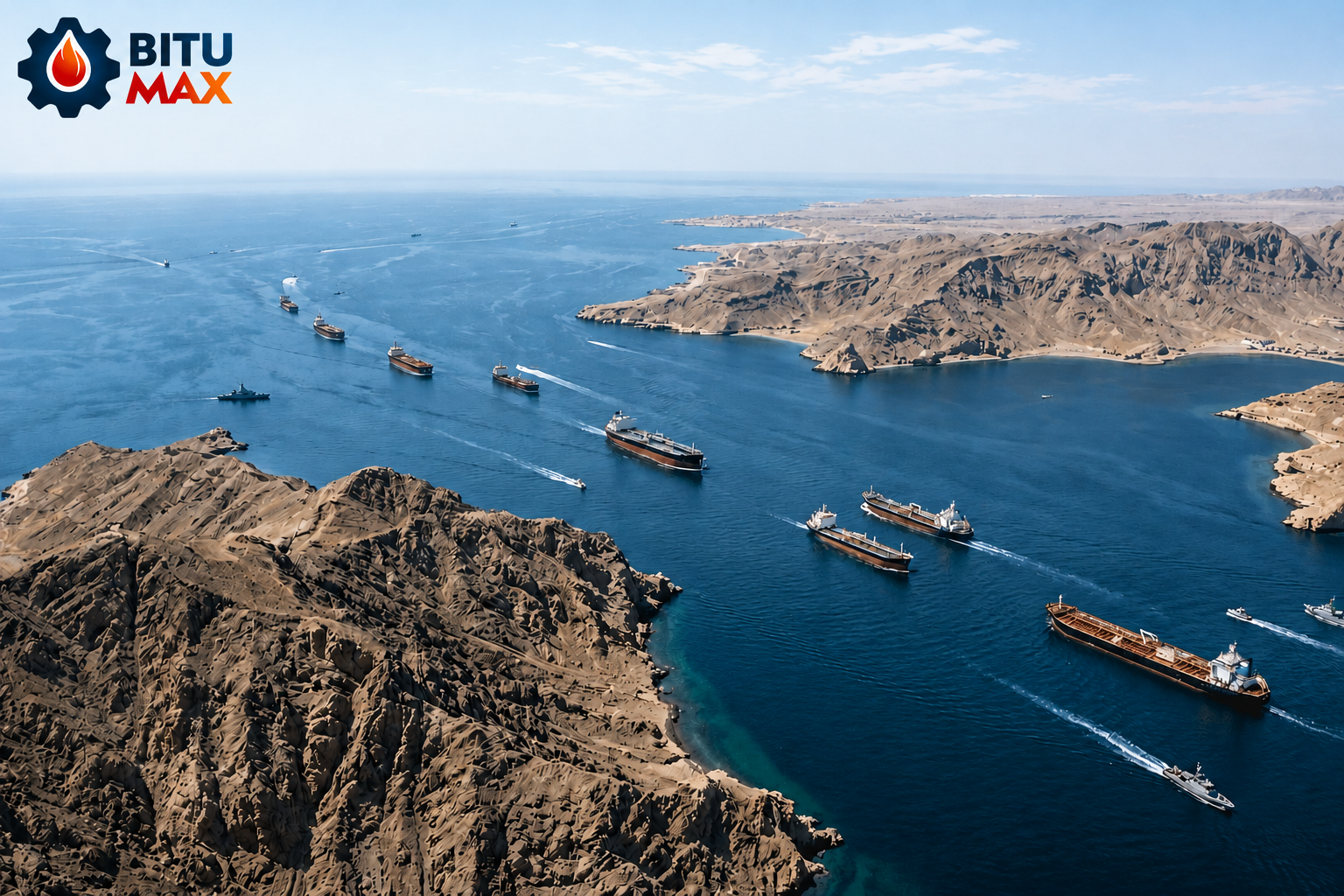
Oil transportation through major Middle Eastern maritime routes recorded a significant recovery in the third quarter of 2026. According to the U.S. Energy Information Administration (EIA), combined oil flows through three major regional chokepoints increased by 19% compared with the previous quarter, reflecting changes in shipping routes and improved utilization of export infrastructure.
The development highlights the continuing importance of the Middle East in global oil transportation and international energy trade.
Oil Flows Through Major Middle Eastern Routes Rise
According to the EIA report published on November 19, 2026, oil shipments through the Strait of Hormuz, the Suez Canal and SUMED pipeline, and the Bab el-Mandeb Strait collectively increased by 19% in Q3 2026.
However, the recovery was not uniform across all routes. Shipments through the Strait of Hormuz and the Suez Canal increased, while flows through Bab el-Mandeb declined compared with the second quarter.
The EIA attributes the overall increase partly to the use of smaller vessels transporting oil from the Persian Gulf for ship-to-ship transfers onto very large crude carriers (VLCCs). Producers also made greater use of infrastructure that allows oil exports to bypass higher-risk maritime routes.
These developments demonstrate how shipping arrangements and export infrastructure can influence the movement of oil across international markets.
Gulf Producers Increase Oil Supply
The recovery in transportation flows was accompanied by higher regional production. The EIA estimated that Middle Eastern countries produced approximately 23.1 million barrels per day of crude oil in October 2026, the highest level since the beginning of the disruptions earlier in the year.
The International Energy Agency (IEA) also reported a substantial recovery in Gulf crude exports during September. Exports from Gulf producers increased by 4.4 million barrels per day to reach 13.9 million barrels per day, led by Saudi Arabia.
Saudi Arabia and the United Arab Emirates remained important contributors to the recovery, supported by increased utilization of export infrastructure and alternative transportation routes.
Although these figures indicate improving supply and transportation activity, the recovery remains dependent on the reliability of regional infrastructure and the availability of maritime transport capacity.
What These Developments Mean for Global Energy Trade
The increase in Middle Eastern oil flows highlights the importance of transportation networks, export terminals and shipping capacity in maintaining international energy supply chains.
For international buyers and traders, these developments are relevant beyond crude oil markets. The availability of reliable shipping routes, efficient port operations and established export infrastructure also matters for the international trade of refined petroleum products, including bitumen.
As infrastructure and transportation activity evolve, buyers need to consider not only product specifications but also supplier reliability, packaging arrangements, shipping documentation and delivery terms when selecting an international trading partner.
Bitumax: Supporting International Bitumen Buyers
As a bitumen exporter, Bitumax works with international buyers seeking reliable sourcing solutions for their bitumen requirements.
For importers and distributors, choosing the right supplier is an important part of managing international procurement. Product specifications, quality requirements, packaging options, export documentation and shipping arrangements should all be considered before confirming an order.
Bitumax offers international bitumen sourcing and export solutions, helping buyers evaluate suitable products and coordinate their purchasing requirements.
Businesses looking for a secure and well-organized bitumen purchasing process can contact Bitumax to discuss their requirements and request a tailored export quotation.
Conclusion
The 19% increase in oil flows through major Middle Eastern chokepoints during Q3 2026 demonstrates the region’s continuing importance in global energy transportation. Higher production, alternative export routes and changing shipping arrangements have contributed to the recovery.
For international petroleum traders and bitumen buyers, monitoring these developments provides useful insight into regional logistics and the infrastructure supporting cross-border energy trade.
Frequently Asked Questions (FAQs)
1. How much did Middle Eastern oil flows increase in Q3 2026?
According to the U.S. Energy Information Administration (EIA), oil flows through major Middle Eastern maritime chokepoints increased by 19% in the third quarter of 2026 compared with the previous quarter.
2. Which are the main oil transportation routes in the Middle East?
The Strait of Hormuz, the Suez Canal, the SUMED pipeline and the Bab el-Mandeb Strait are among the region’s most important oil transportation routes.
3. Which Middle Eastern countries play a major role in global oil exports?
Saudi Arabia, the United Arab Emirates, Iraq, Kuwait and Oman are among the important oil-producing and exporting countries in the region.
4. How do changes in Middle Eastern oil transportation affect international petroleum trade?
Changes in shipping routes, port operations and export infrastructure can influence transportation capacity, delivery schedules and the movement of petroleum products across international markets.
5. How can international buyers purchase bitumen securely from Bitumax?
Bitumax supports international bitumen buyers with product sourcing, suitable packaging options and export coordination. Buyers can contact Bitumax to discuss their specifications and request an export quotation.