

A Continent on the Move
Africa’s infrastructure landscape is undergoing significant transformation. Governments across the continent are prioritising road development, railway expansion, bridge construction and urban infrastructure as they work to improve connectivity and support economic growth.
With rapidly growing urban populations, expanding industrial activities and increasing regional trade, the need for reliable transportation infrastructure has never been greater.
Road networks remain particularly important, connecting major cities, industrial centres, ports, agricultural regions and neighboring countries. At the same time, railway developments and transport corridors are strengthening regional connectivity and opening new opportunities for trade.
These developments are creating increased demand for road construction materials, including bitumen, asphalt, aggregates and cement, alongside the machinery and technologies required to deliver large-scale infrastructure projects.
Southern Africa: Strengthening Regional Connectivity
Southern Africa is seeing renewed activity in transport infrastructure, with major road, railway and mining-related developments taking centre stage.
One of the region’s most significant initiatives is the Lobito Corridor, which connects Angola’s Atlantic coast with the mineral-rich regions of the Democratic Republic of Congo (DRC) and Zambia.
The corridor is expected to improve the movement of minerals and other commodities while strengthening trade connections between Central and Southern Africa.
Zimbabwe is also continuing to invest in road rehabilitation, dam construction, housing and industrial infrastructure. Improvements to major highways and transportation networks are supporting the country’s wider development ambitions.
In South Africa, road upgrades, bridge construction, water infrastructure and transport improvements are creating opportunities for the construction sector.
These projects require substantial quantities of aggregates, asphalt and other construction materials, reinforcing the importance of reliable material production and efficient road construction operations.
East Africa: Expanding Road and Transport Networks
East Africa is emerging as an important centre of infrastructure development, with Kenya, Tanzania, Uganda and Rwanda investing in major transport and industrial projects.
Kenya continues to strengthen its position as a regional transport and logistics hub through highway improvements, railway expansion and urban road development.
Major road projects and improvements to existing highways are aimed at reducing travel times, improving transport efficiency and supporting connections between the Port of Mombasa and landlocked neighboring countries.
The expansion of the Standard Gauge Railway network and development of regional transport corridors are also important components of East Africa’s infrastructure ambitions.
In Tanzania, investments in railway infrastructure, including the Standard Gauge Railway, are transforming transportation capacity and improving connections between key economic centres.
Uganda is also advancing road construction, bridge development and transport infrastructure, supporting regional trade and connectivity.
For the road construction industry, these developments represent growing opportunities in asphalt production, bitumen supply, aggregate processing and road maintenance.
As infrastructure projects expand, the demand for quality materials and dependable construction equipment will remain essential to successful project delivery.
West Africa: Major Highway and Urban Infrastructure Projects
West Africa is experiencing considerable infrastructure activity, particularly in highway development, urban transportation and port expansion.
Nigeria’s Lagos-Calabar Coastal Highway is among the region’s most prominent road infrastructure projects. The development is intended to improve transportation along the country’s southern coastline and strengthen connections between major economic centres.
Another important regional initiative is the proposed Abidjan-Lagos Highway, which aims to connect Côte d’Ivoire, Ghana, Togo, Benin and Nigeria through an integrated coastal road network.
Once developed, the corridor is expected to improve cross-border transportation, facilitate trade and strengthen economic integration across West Africa.
Ghana is also implementing significant road infrastructure improvements through its Big Push program, which includes highway upgrades, bridges and urban road construction.
Meanwhile, investments in port infrastructure in countries such as Senegal, Ghana and Côte d’Ivoire are supporting the development of more efficient logistics networks.
These projects are creating opportunities throughout the construction value chain, particularly for asphalt producers, bitumen suppliers, quarry operators and construction equipment providers.
Central Africa: Mining Infrastructure and Industrial Development
Central Africa’s infrastructure development is closely connected to its growing mining and industrial sectors.
The Democratic Republic of Congo, one of the world’s major producers of copper and cobalt, is seeing increased investment in supporting infrastructure as mining operations expand.
Reliable roads, transport corridors and processing facilities are essential for moving minerals and supporting industrial activity.
The development of aggregate production facilities is also contributing to the region’s construction capacity.
This investment highlights the growing importance of modern crushing and screening technology in supporting construction and mining activities.
Technology and Equipment Driving Modern Construction
Beyond the availability of construction materials, modern infrastructure development increasingly depends on efficient machinery and advanced construction technologies.
Crushing and screening plants enable quarry operators to produce aggregates in different sizes and specifications, while modern asphalt mixing plants support the production of quality asphalt mixtures.
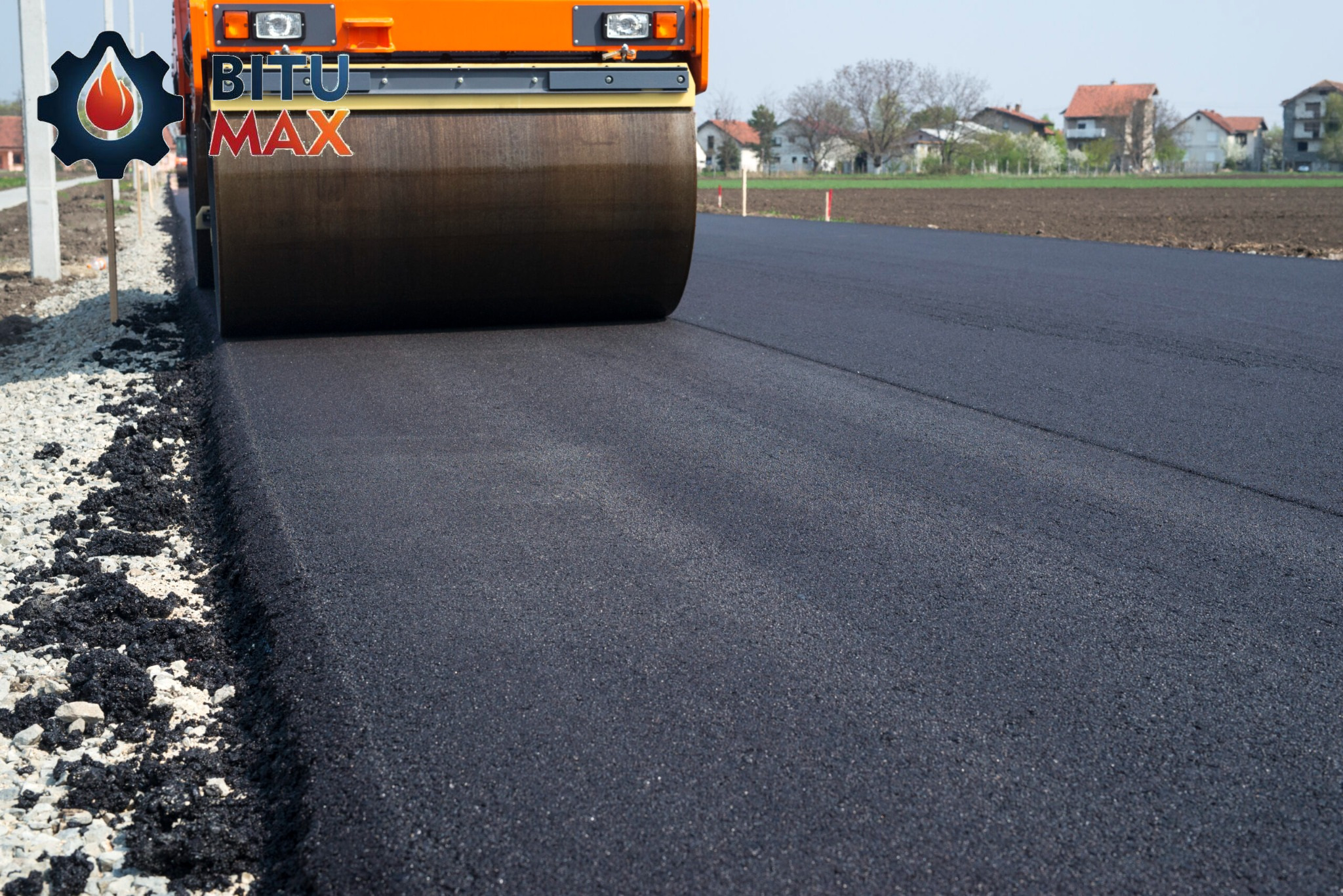
Road construction machinery, including asphalt pavers, rollers, motor graders and milling machines, plays a critical role in ensuring efficient construction and consistent road quality.
Advances in equipment design are also improving productivity, fuel efficiency and operational reliability.
For contractors operating across Africa, access to dependable machinery, technical support and quality construction materials is becoming increasingly important as projects grow in scale and complexity.
The adoption of modern equipment and improved construction practices will continue to shape the future of the continent’s road building and infrastructure industries.
Looking Ahead: Building Africa’s Next Generation of Infrastructure
Africa’s infrastructure expansion is creating a new landscape of opportunities for the construction industry.
From the development of regional highways and railway corridors to urban road improvements and mining infrastructure, projects across the continent are strengthening connectivity and supporting industrial growth.
As the industry continues to evolve, quality materials, reliable supply chains, modern technologies and efficient construction practices will play an increasingly important role.
Africa’s infrastructure journey is far from complete. With continued investment in transportation networks and construction capabilities, the continent is laying the foundations for a more connected and developed future.