
1. Nairobi Expressway – Kenya
The Nairobi Expressway is one of Kenya’s most prominent modern road infrastructure projects.
Stretching approximately 27 kilometers, the elevated expressway connects Jomo Kenyatta International Airport with the Nairobi–Nakuru highway corridor, passing through key parts of the capital.
The project has significantly improved connectivity across Nairobi by providing an alternative route through some of the city’s busiest transport corridors.
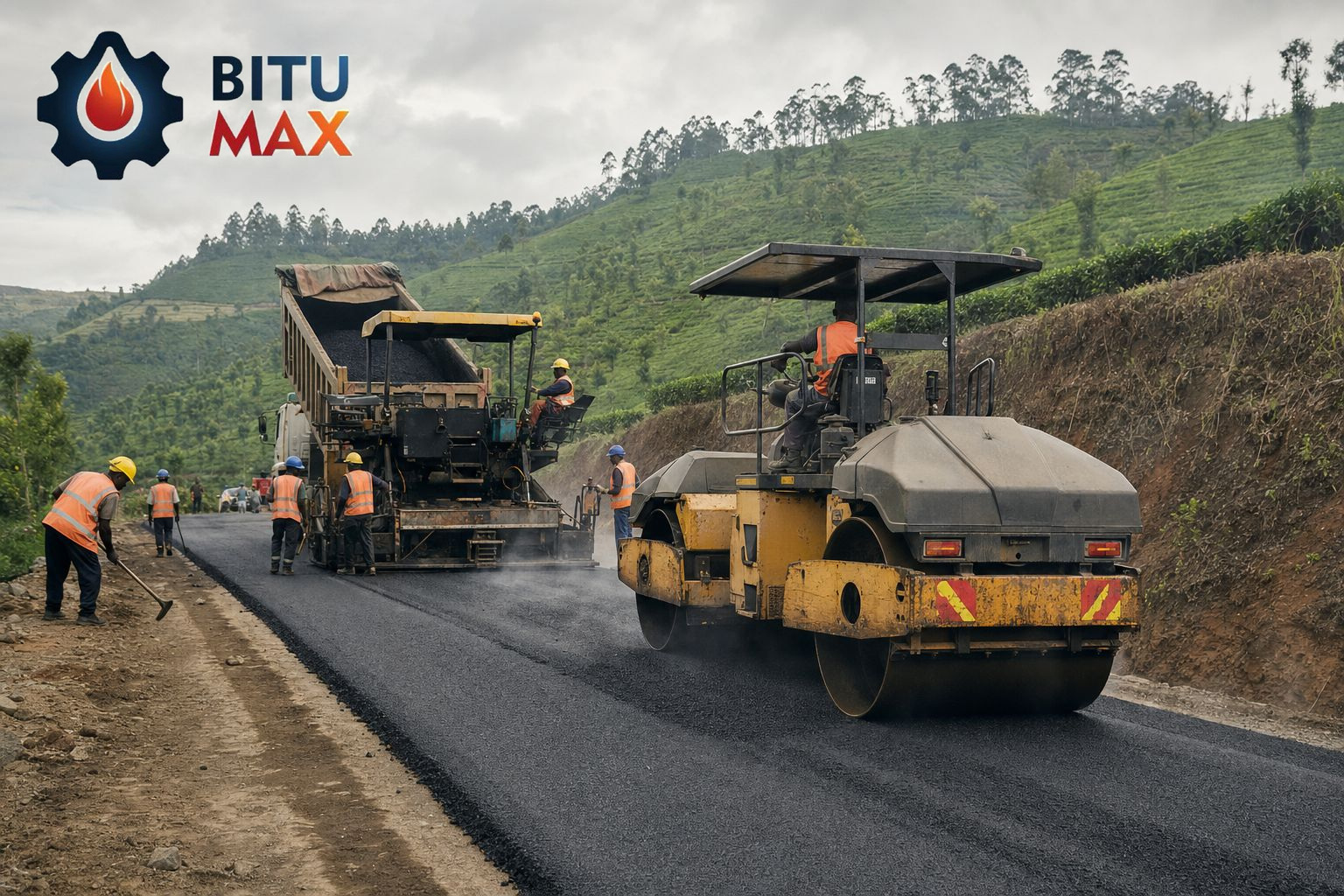
Its construction demonstrates the importance of modern pavement engineering, specialised construction techniques and durable road surfacing materials in developing high-capacity urban transportation infrastructure.
2. East African Road Network – Kenya, Uganda, Tanzania and Rwanda
East Africa continues to invest in regional highway networks designed to improve cross-border transportation and trade.
Major transport corridors connect important economic centres, ports, industrial areas and border crossings. These include sections of the Northern and Central Corridors, which support the movement of goods between inland countries and Indian Ocean ports.
Road improvements along these routes are essential for reducing transportation costs, improving logistics efficiency and supporting regional economic integration.
3. Lagos–Ibadan Expressway – Nigeria
The Lagos–Ibadan Expressway is one of Nigeria’s most important transportation corridors.
Connecting Lagos, the country’s commercial hub, with Ibadan and other inland destinations, the highway plays a significant role in passenger transportation, freight movement and regional trade.
Its rehabilitation and expansion have involved extensive road construction activities, including pavement improvements, resurfacing and supporting infrastructure works.
The project highlights the importance of maintaining existing road networks alongside the development of new highways.
4. Trans-African Highway Network – Connecting the Continent
The Trans-African Highway Network is an ambitious continental initiative aimed at improving road connectivity between African countries.
The network comprises nine major highway corridors intended to link regional economic centres, facilitate international trade and strengthen transportation integration.
Although several sections are completed, others require construction, rehabilitation and upgrading.
Developing these corridors requires significant investment in road construction materials, asphalt production, pavement engineering and long-term maintenance.
5. Cairo–Cape Town Highway Corridor – North to Southern Africa
The Cairo–Cape Town Highway is part of the wider Trans-African Highway vision to establish stronger road connections across the continent.
The corridor is intended to facilitate long-distance transportation, trade and regional connectivity between North, East and Southern Africa.
Completing and improving sections of this route requires extensive road development, rehabilitation, bridge construction and improvements to border infrastructure.
Such continental transport ambitions demonstrate the importance of consistent road construction standards and reliable materials throughout the infrastructure development process.
Why Road Construction Is Essential to Africa’s Economic Growth
Improved regional trade: High-quality highways make it easier to transport goods between countries, ports and commercial centres.
Lower transportation costs: Efficient road networks help reduce travel times, vehicle operating costs and logistics expenses.
Agricultural development: Reliable rural roads connect farmers to markets, processing facilities and distribution centres.
Industrial expansion: Better road connectivity supports manufacturing, mining, construction and other industries.
Urban development: Modern roads improve mobility, support expanding cities and facilitate access to essential services.
Employment opportunities: Road construction and maintenance generate jobs across engineering, manufacturing, logistics and construction industries.
The Future of Road Construction in Africa
The future of Africa’s road construction industry will be shaped by increasing infrastructure investment, technological advancements and the growing demand for sustainable construction practices.
Several developments are expected to influence the sector.
Modern asphalt technologies: Advances in asphalt mix design, polymer modification and pavement engineering will support the development of roads designed for demanding traffic and environmental conditions.
Sustainable road construction: Greater attention is being given to recycled asphalt pavement, warm-mix asphalt and other approaches that can reduce the environmental impact of road construction.
Smart road infrastructure: Digital technologies, intelligent transportation systems and improved traffic management will increasingly become part of modern highway development.
Improved road maintenance: More investment in preventive maintenance and pavement rehabilitation will help governments protect existing road infrastructure.
Building Roads That Connect Africa’s Future
Africa’s road construction industry is entering an important period of growth. Major highway projects, regional transport corridors and expanding urban road networks are creating opportunities for governments, contractors, engineers and construction material suppliers.
However, the success of these developments will depend not only on the number of kilometers constructed but also on the quality, durability and long-term performance of the roads.
As Africa continues investing in better transportation infrastructure, quality bitumen will remain a fundamental component of reliable road development.