
Global Base Oil and Lubes Market: Supply Chains and the Petroleum Industry
The global Base Oil and Lubes market is an important part of the petroleum industry, connecting crude oil refining with lubricant manufacturing and industrial consumption. Base oils serve as the primary raw materials for producing lubricants used in automotive engines, industrial machinery, marine equipment and manufacturing operations.
As international trade expands and industrial requirements become more specialized, understanding the global supply chain, production regions and sourcing requirements has become increasingly important for manufacturers, distributors and importers.
The Role of Base Oil in the Petroleum Supply Chain
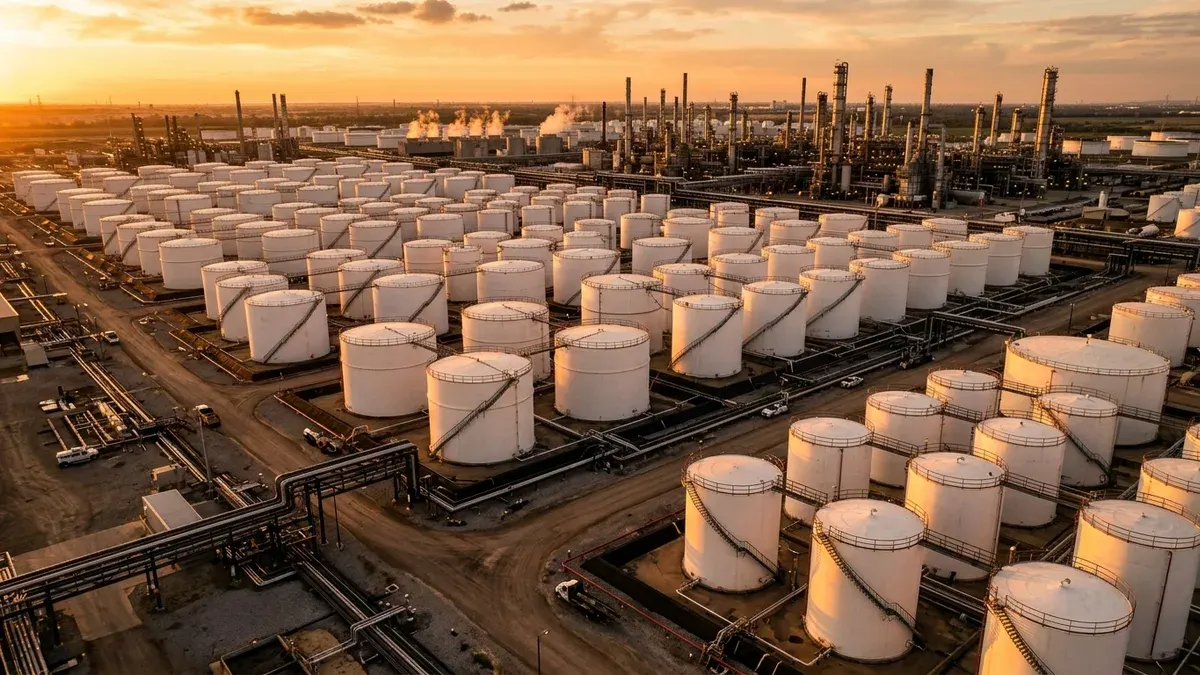
Base oil is produced through specialized refining processes and represents the main component of finished lubricants. Refineries process suitable petroleum feedstocks to manufacture different base oil grades, which are subsequently supplied to lubricant manufacturers.
These manufacturers combine base oils with chemical additives to produce finished products such as engine oils, hydraulic fluids, gear oils and industrial lubricants.
The supply chain typically includes four main stages:
- Refining and production: Processing petroleum feedstocks into different base oil grades.
- Lubricant manufacturing: Blending base oils with additives to achieve specific performance requirements.
- Distribution and international trading: Connecting producers with importers, distributors and regional markets.
- Industrial consumption: Supplying finished lubricants to automotive, manufacturing, marine and other industries.
This interconnected structure makes base oil an essential link between petroleum refining and downstream industrial activities.
Global Production and Market Structure
The global Base Oil and Lubes market involves several major production and consumption regions.
Asia-Pacific is an important center for base oil manufacturing and trade, with significant refining and production capacity in countries such as South Korea, China and Singapore. The Middle East also contributes to global supply through its petroleum infrastructure and refining investments.
Europe and North America remain important markets for base oils and finished lubricants, supported by established automotive, manufacturing and industrial sectors.
The market is also evolving in terms of product quality and technology. Group II and Group III base oils have gained importance in modern lubricant formulations because of their technical characteristics and suitability for higher-performance applications.
International Trade and Supply Chain Challenges
International base oil trading requires coordination between producers, suppliers, shipping companies and buyers. Several factors influence sourcing decisions:
- Product specifications: API classification, viscosity grade and technical properties must meet application requirements.
- Quality assurance: Certificates of Analysis (COA) and Technical Data Sheets (TDS) help verify product specifications.
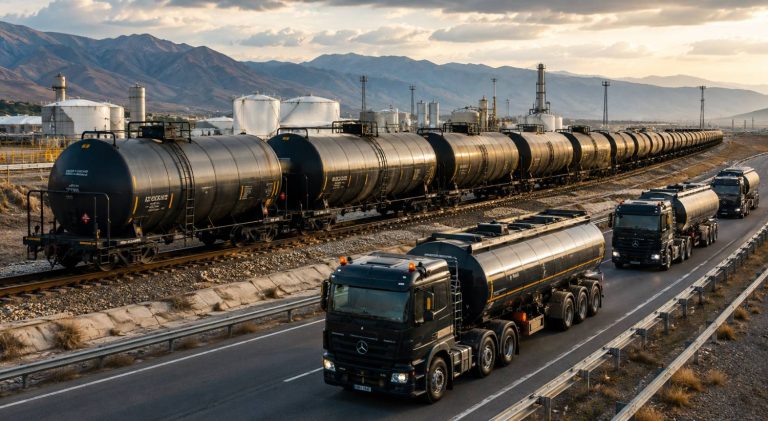
- Transportation: Bulk vessels, drums, ISO tanks and other suitable packaging options are selected according to product requirements and shipment volume.
- Export documentation: Commercial invoices, certificates of origin and shipping documents are essential for international transactions.
- Supply reliability: Consistent quality, transparent communication and dependable delivery schedules are important for long-term procurement.
Understanding these factors helps importers and distributors manage sourcing risks and maintain stable supply operations.
Future Outlook for the Base Oil and Lubricants Industry
The future of the Base Oil and Lubes market will be influenced by technological developments, changing industrial requirements and the evolution of global refining capacity.
Growing demand for specialized lubricants, improvements in refining technologies and the development of more efficient industrial equipment are likely to influence product requirements and international supply chains.
For manufacturers and international buyers, monitoring production developments, regional supply availability and technical standards will remain essential for making informed sourcing decisions.
Frequently Asked Questions (FAQs)
1. What is the global Base Oil and Lubes market?
It is the international market for base oils and finished lubricants used across automotive, industrial, marine and manufacturing sectors.
2. What are the main base oil groups?
The American Petroleum Institute (API) classifies base oils into five groups, from conventional mineral oils in Group I to synthetic and specialized base stocks in Groups IV and V.
3. Which countries are important base oil producers?
South Korea, China, Singapore and several Middle Eastern countries are among the important participants in global base oil production and trade.
4. What documents are important when importing base oil?
Common documents include a Certificate of Analysis, Technical Data Sheet, commercial invoice, packing list and certificate of origin, depending on the transaction and destination requirements.
5. What factors influence international base oil sourcing?
Product quality, technical specifications, regional availability, supplier reliability, transportation arrangements and export documentation are key considerations.