

Maritime Freight Indices and Energy Volatility
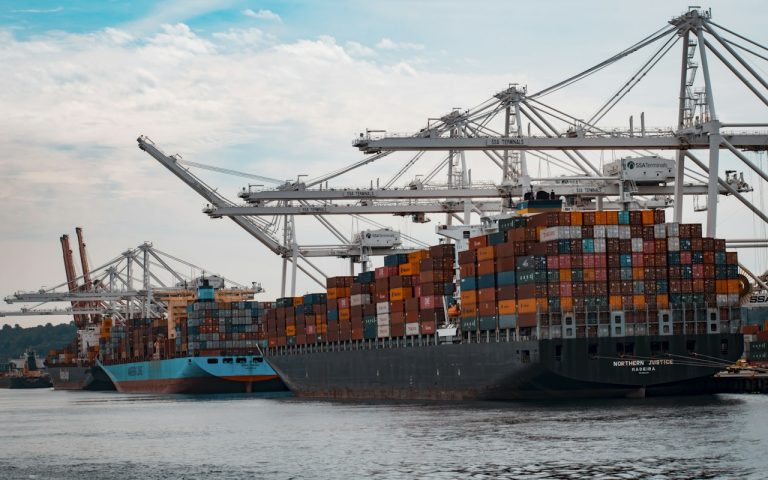
The global ocean transport sector for liquid petroleum and specialized asphalt cargo is traversing a pivotal epoch of structural realignment. Freight index fluctuations across Baltic clean tanker routes and specialized bitumen carrier charters have been heavily swayed by bunker oil pricing (VLSFO and Marine Gasoil) at primary bunkering hubs including Singapore, Fujairah, and Rotterdam.
For high-viscosity petroleum products such as asphalt and heavy fuel oil, cargo heating requirements during oceanic voyages constitute a critical operational expense, prompting trading desks to optimize maritime routing and vessel insulation protocols.
Thermal Bitutainers vs. Specialized Bulk Bitumen Tankers
Chartering specialized bitumen tankers equipped with onboard thermal oil heating coils remains ideal for parcel sizes between 3,000 and 8,000 metric tons. However, port congestion and draft limitations in developing seaports have catalyzed an exponential surge in multimodal thermal bitutainer usage:
- Intermodal Flexibility: Direct transshipment from container feeder vessels onto standard skeletal trailer trucks without intermediate terminal storage.
- Thermal Preservation: Advanced rock-wool insulation preserves product temperature, requiring minimal reheat cycles prior to discharging into asphalt mixing plants.
- Loss Prevention: Zero cargo decanting loss compared to traditional drum unheading operations, resulting in net zero material wastage.
Outlook for Global Liquid Petroleum Trade Corridors
As international maritime environmental compliance mandates tighten under IMO 2030 energy efficiency directives, BITUMAX is continuously expanding long-term vessel charter partnerships, guaranteeing contracted voyage timelines and transparent bunker adjustment factor (BAF) schedules for international trading partners.