
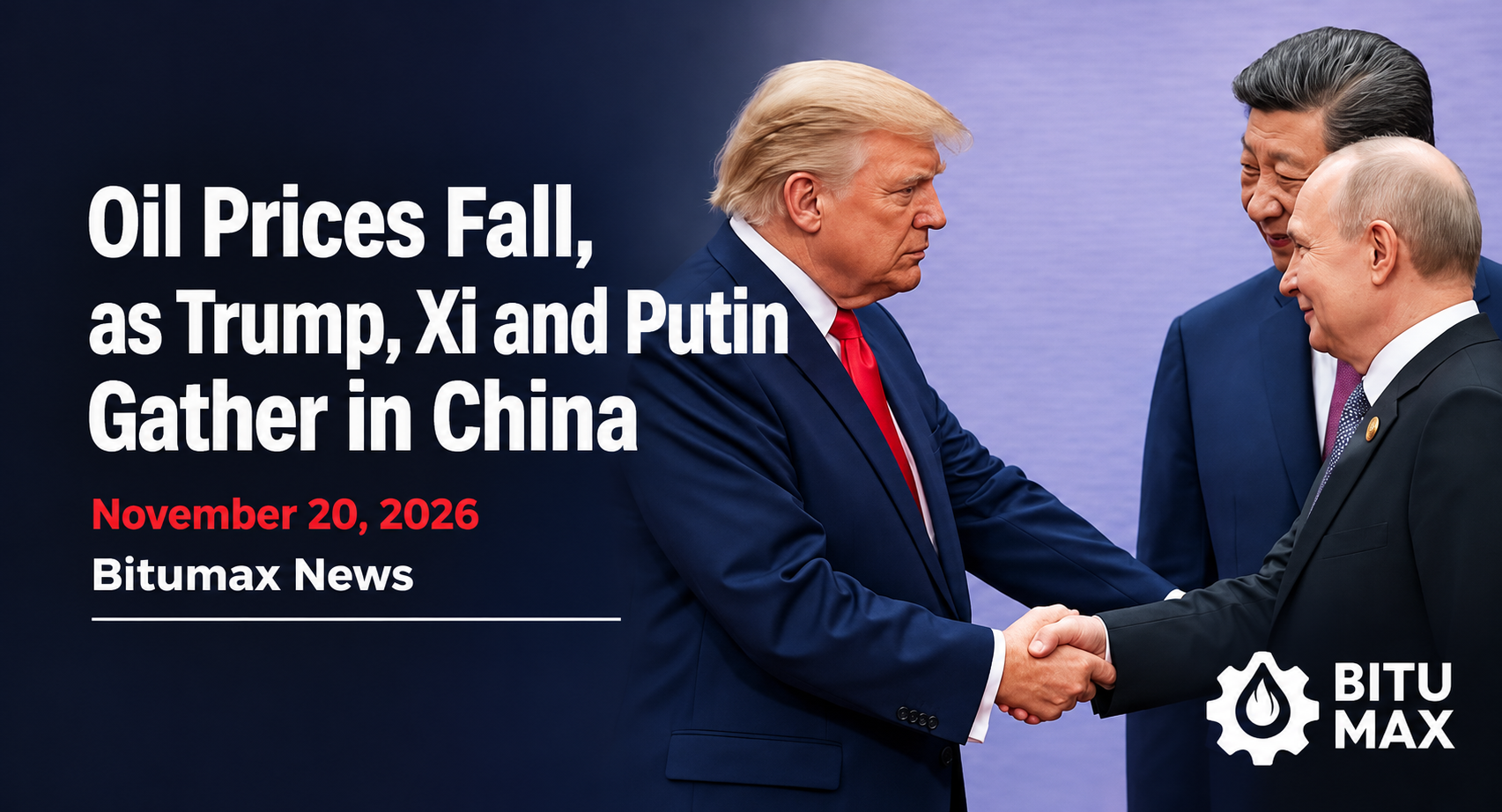
Global energy markets are facing a complex combination of geopolitical uncertainty, supply concerns and changing trade dynamics. On November 19, 2026, US President Donald Trump, Chinese President Xi Jinping and Russian President Vladimir Putin met in Shenzhen, China, and announced plans to increase the production and supply of refined petroleum products.
The announcement came after oil prices had declined amid rising US inventories and expectations of a potential global supply surplus. However, questions remain over whether the three countries can actually deliver additional fuel to international markets. Two energy analysts have expressed significant doubts about the practical implications of this political commitment.
Hamad Hussain: Political Statements Cannot Solve Supply Constraints
Hamad Hussain, Senior Climate and Commodities Economist at Capital Economics, questioned the practical value of the trilateral agreement.
He described the joint statement as political noise rather than the beginning of a meaningful increase in global fuel supplies.
His assessment highlights a fundamental difference between announcing higher production targets and having the industrial capacity to achieve them.
The United States, despite being one of the world’s largest oil refiners, is already operating its refineries at exceptionally high utilization rates. China has additional refining capacity, but its operations remain dependent on reliable crude oil imports. Meanwhile, Russia faces disruptions to its refining infrastructure following continued Ukrainian attacks.
Hussain also emphasized that China’s potential to increase refined product output does not necessarily mean additional exports. With domestic gasoline and diesel inventories appearing relatively low, any additional production could be directed toward rebuilding national reserves rather than supplying international markets.
His argument suggests that global fuel availability depends not only on refining capacity but also on domestic consumption, inventory levels and access to crude oil.
Frederic Schneider: Previous Agreements Raise Questions About Implementation
Frederic Schneider, Nonresident Senior Fellow at the Middle East Council on Global Affairs, also expressed skepticism about the announcement.
He argued that the agreement appeared designed to reassure consumers and domestic political constituencies rather than establish a practical mechanism for increasing global fuel supplies.
Schneider referred to previous efforts, including an earlier US-Russian diesel arrangement, which failed to translate into actual deliveries.
This observation draws attention to the gap between diplomatic commitments and commercial realities. Even when governments reach agreements, sanctions, financial restrictions, shipping limitations and the reluctance of traders can prevent transactions from being completed.
His assessment indicates that international energy cooperation requires more than political alignment. It needs workable trade arrangements, reliable transportation and commercially viable supply chains.
Why the Three Countries Face Different Challenges
The three economies occupy different positions in the global petroleum industry.
The United States has substantial refining infrastructure but limited spare capacity to expand output quickly. China possesses significant refining capacity, yet its dependence on imported crude oil creates vulnerability to disruptions in international shipping.
Russia, meanwhile, remains an important supplier of petroleum products, particularly diesel, but damage to its refining infrastructure has complicated its ability to maintain exports.
These limitations explain why a joint declaration does not automatically translate into greater global supply.
The situation is also influenced by instability around the Strait of Hormuz, one of the world’s most important energy transportation routes. Even if production increases, disruptions to shipping can delay deliveries and keep transportation costs elevated.
What Does This Mean for the Global Bitumen Market?
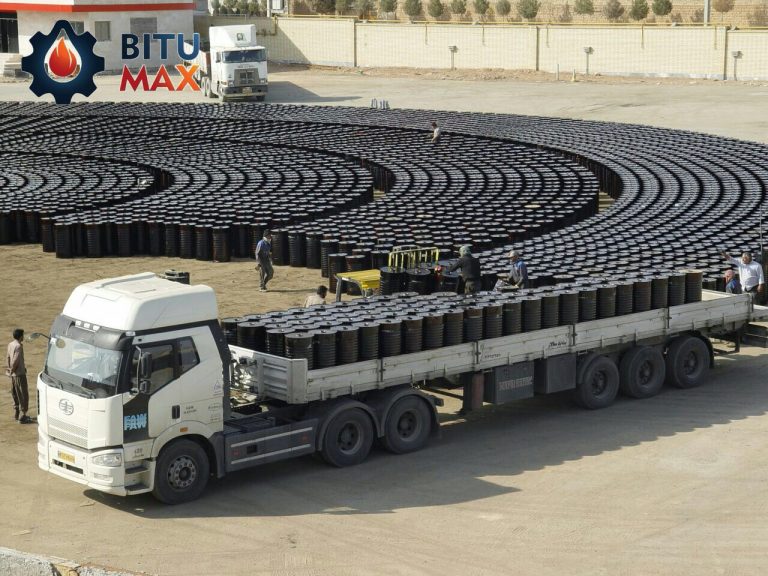
These developments are also relevant to international bitumen trade. Bitumen is a refinery-derived petroleum product whose availability depends on feedstock conditions, refinery configurations and regional demand.
However, changes in crude oil prices do not automatically produce equivalent movements in bitumen prices. Refinery output, product specifications, seasonal road construction demand and export logistics also play important roles.
For international buyers, the key lesson is that monitoring crude oil prices alone is insufficient. Understanding refinery operations, regional supply conditions and transportation risks is equally important.
Bitumax, as a specialized bitumen exporter, recognizes the importance of these factors in helping international buyers evaluate sourcing opportunities, product specifications and export logistics.
Conclusion
The skepticism expressed by Hamad Hussain and Frederic Schneider highlights an important reality in the global energy industry: political commitments do not necessarily create additional physical supply.
Although the United States, China and Russia have announced plans to expand refined petroleum production, their industrial, logistical and geopolitical constraints could limit the agreement’s immediate impact.
For international energy traders and petroleum product buyers, the coming months will reveal whether this announcement leads to measurable changes in supply or remains primarily a diplomatic commitment.
Ultimately, the strength of the global energy market will depend not on political declarations alone, but on the ability of producers to deliver reliable supplies to international consumers.
Frequently Asked Questions
1. Why did oil prices fall in November 2026?
Oil prices declined mainly because of rising US crude oil and fuel inventories and growing expectations of a global supply surplus.
2. What did Trump, Xi and Putin announce?
They announced plans to increase the production and supply of refined petroleum products and emphasized the importance of stable energy flows.
3. Why is Hamad Hussain skeptical about the agreement?
He believes the statement is largely political because the three countries face practical limitations involving refining capacity, crude oil availability and domestic fuel inventories.
4. What concerns did Frederic Schneider raise?
Schneider questioned whether the announcement would lead to actual deliveries, pointing to previous agreements that failed to produce meaningful commercial results.
5. How could these developments affect international bitumen buyers?
Changes in refinery operations, petroleum feedstock availability and shipping conditions could influence bitumen supply and export opportunities. Buyers should consider these factors alongside product quality and supplier reliability. Bitumax offers specialized bitumen export solutions for international buyers.